
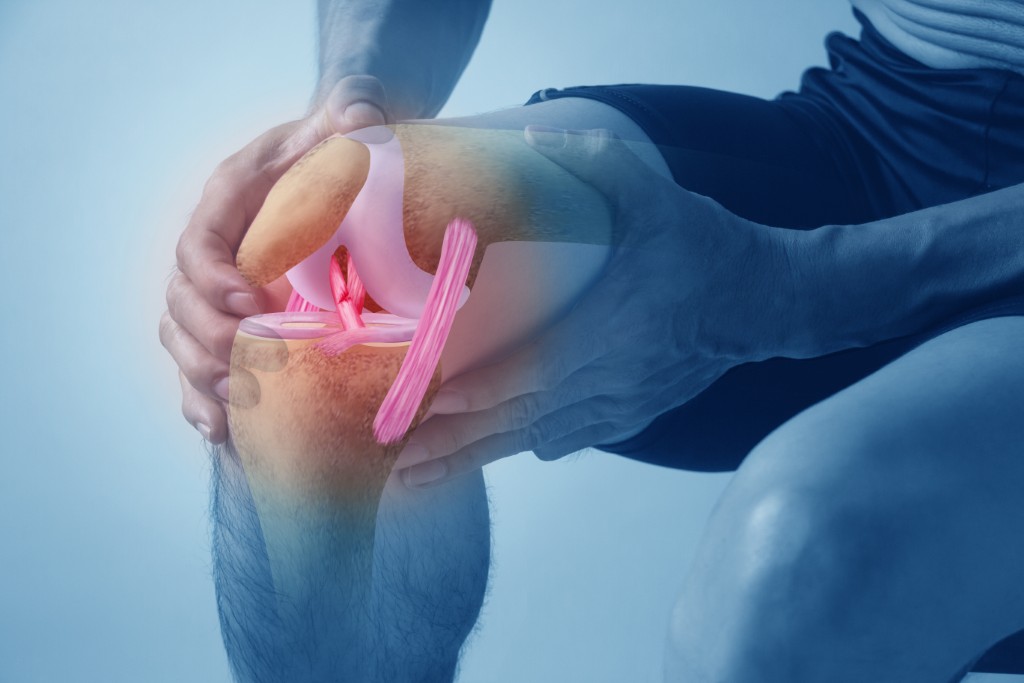
- Acute injuries: A sudden movement or trauma can cause injury to the knee. Sudden trauma can result in damage to the ligaments or the meniscus, dislocations or contusions.
- Overuse: Physical activities that stress the knee, such as long-distance running, climbing stairs or playing impact sports, can lead to overloading of the joint. Excessive strain can cause inflammation of the tendons or bursae, which can cause pain.
- Malalignment of the knee: Alignment problems, such as a displaced kneecap, can lead to inappropriate friction between the bones. Malalignment can cause continuous pain, particularly during activities that involve bending or straightening the knee.
- Repetitive strain: Repetitive knee movements, such as lifting weights, squatting or twisting, can lead to inflammation of the tendons, causing pain and stiffness.
- Obesity: Excess weight puts pressure on the knees, and this can lead to premature wear of the cartilage and to chronic pain. People who are overweight are susceptible to developing injuries or conditions involving the knee joints.
- A lack of vitamins or minerals: A poor intake of essential nutrients, including vitamin D, calcium and magnesium, can adversely affect the health of bones and joints. Vitamin and mineral deficiency can affect joint structures and the body's natural healing time.
- Age: With advancing age, the joints weaken and become more prone to degeneration and wear.
The conditions that cause knee pain
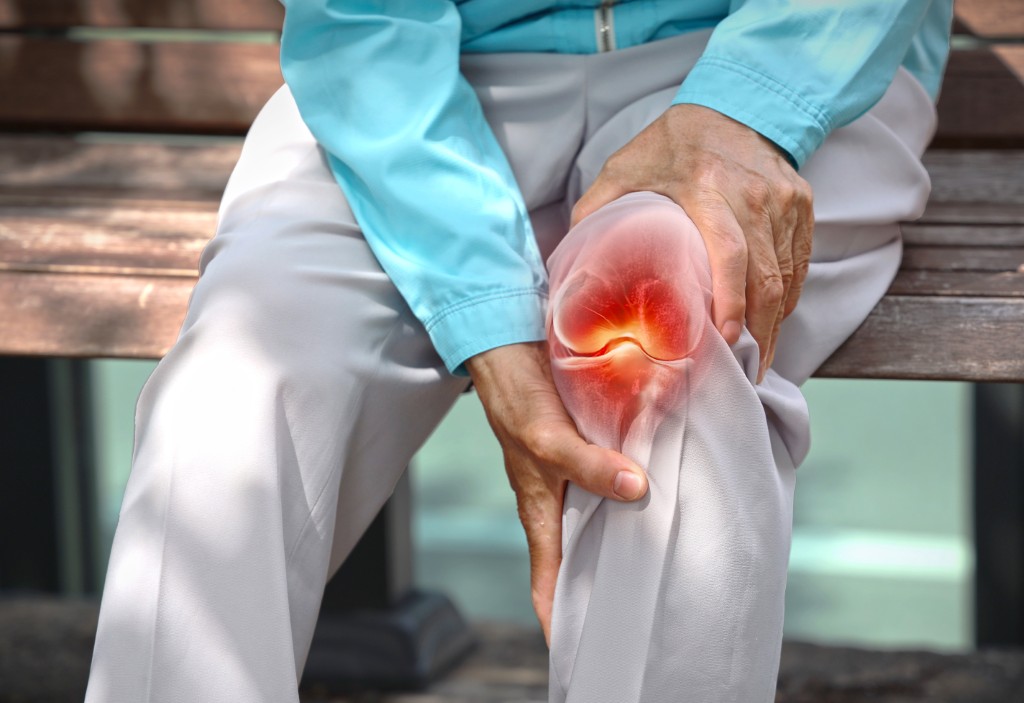 Knee pain can be caused by a variety of medical conditions affecting the joint. Some of the most common causes are:
- Osteoarthritis: This is one of the major causes of persistent knee pain. Although osteoarthritis is usually associated with ageing, it can also be caused by a previous injury.
- Rheumatoid arthritis: Unlike osteoarthritis, rheumatoid arthritis is an autoimmune condition in which the immune system mistakenly attacks healthy joint tissue. This condition causes severe inflammation, stiffness and persistent pain in the knee. Rheumatoid arthritis can also be experienced in other joints throughout the body.
- Ligament injuries: These occur frequently in people who play sports involving sudden changes of direction or rapid movements. A ligament tear can be very painful and can lead to instability, with surgery generally being necessary to allow the joint to function normally.
- Meniscal injuries: The menisci are cartilage cushions whose role is to absorb shock and distribute weight between the bones. They can be injured by direct blows or sudden changes in movement. The symptoms of these injuries usually include pain, local swelling and stiffness.
- Patellar tendinitis: Patellar tendinitis is inflammation of the tendon connecting the kneecap to the tibia. It can be caused by repeated stress on the knee, usually in athletes who take part in high-impact sports such as football, basketball or volleyball.
- Bursitis: Bursitis is inflammation of the bursae, small fluid-filled sacs whose role is to minimise friction between bones and soft tissues. In the knee, bursitis can arise as a consequence of repetitive pressure or direct trauma.
- Patellofemoral syndrome: This arises from trauma to the kneecap and manifests as the kneecap rubbing directly against the femur. Patients with this syndrome often feel pain at the front of the knee. The discomfort can be aggravated by activities requiring the legs to bend, such as running or climbing stairs.
Risk factors
There are various reasons that can make a person susceptible to knee pain. They are as follows:- Age: Degeneration of the joints and cartilage is a natural process that can lead to osteoarthritis.
- Body weight: Obesity and being overweight place excessive pressure on the knee joints, and so there could be premature degeneration of the joints.
- Physical activity: People who play sports with repetitive impact are at increased risk of injury.
- Family history: Certain conditions, such as arthritis, can be inherited genetically.
- Chronic or intermittent pain;
- Local swelling;
- Stiffness and an inability to bend or straighten the knee;
- Creaking or popping sounds during movement;
- A feeling of weakness in the knee joint.
Diagnosing knee pain
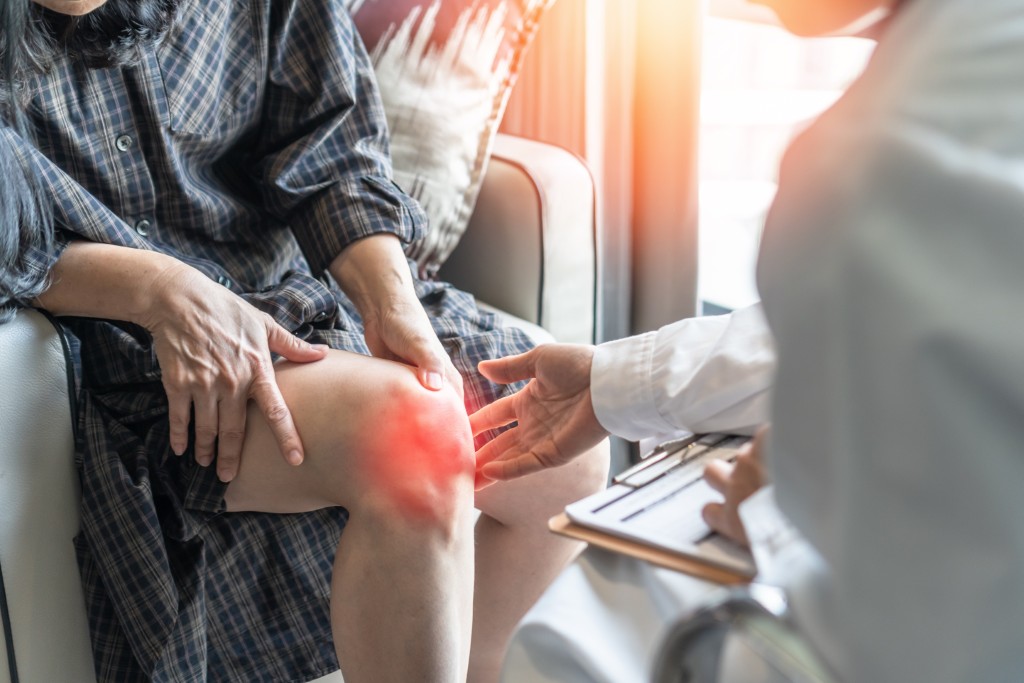 To diagnose the cause of the pain accurately, the doctor may carry out a full physical examination, which may include imaging studies such as X-rays, MRI or ultrasound. Based on the patient's history and symptoms, additional tests may be needed, such as blood tests, to identify the cause of the problem.
Treating knee pain
The treatment of knee pain depends on the severity of the condition and on its underlying cause. The treatment plan may include:
To diagnose the cause of the pain accurately, the doctor may carry out a full physical examination, which may include imaging studies such as X-rays, MRI or ultrasound. Based on the patient's history and symptoms, additional tests may be needed, such as blood tests, to identify the cause of the problem.
Treating knee pain
The treatment of knee pain depends on the severity of the condition and on its underlying cause. The treatment plan may include:
- Non-steroidal anti-inflammatory drugs (NSAIDs) aimed at relieving inflammation and discomfort;
- Physiotherapy designed to strengthen the muscles around the knee and increase mobility;
- Corticosteroid injections to ease significant inflammation;
- Surgery to repair torn ligaments, replace the knee joint or correct other structural abnormalities.

Nu există comentarii încă. Fii primul!