
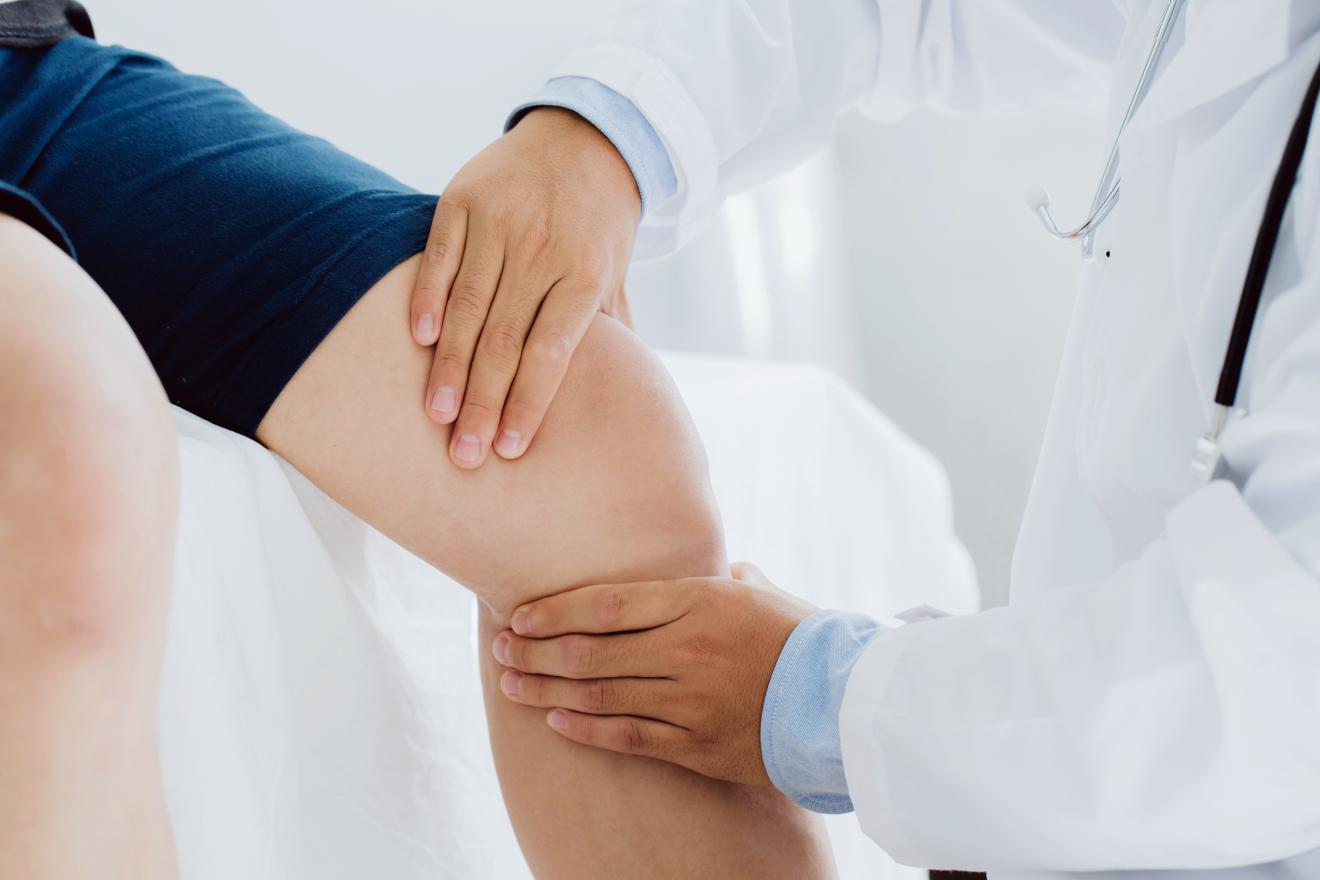
What does knee osteotomy mean, and when should you see a doctor about a personalised procedure?
Osteotomy of the knee is an orthopaedic operation that involves cutting and repositioning bone in order to correct deformities and problems with the alignment of the knee joint. The procedure is usually performed to treat conditions such as osteoarthritis, chondropathy and other structural problems of the knee. The main rationale behind a knee osteotomy is to redistribute pressure and correct the alignment of the knee, so as to reduce pain and improve the function of the joint. During the operation the surgeon makes a cut in the femur or the tibia and repositions it more correctly, using plates and screws to hold the bone in place. Knee osteotomy can be an effective treatment option for patients who do not respond to conservative therapies and who wish to avoid a total knee replacement. Find out more in this article about what osteotomy is and the results it achieves.The anatomy of the knee
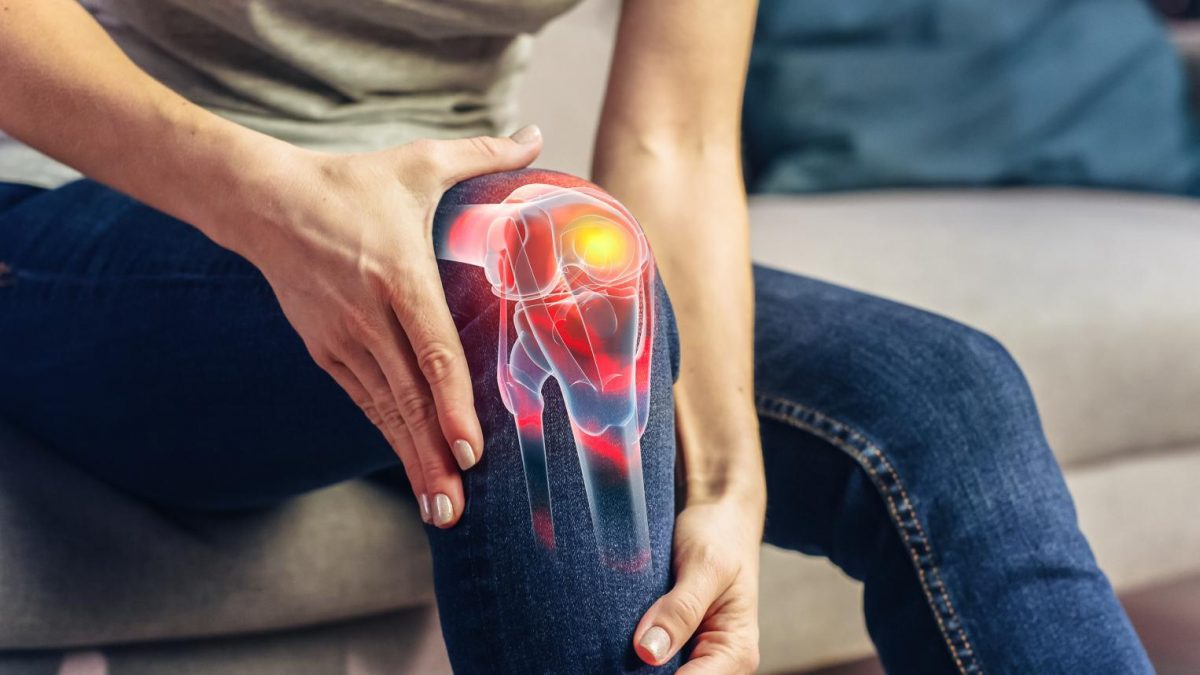 The knee is one of the most complex joints in the human body, supporting body weight and allowing us to move properly. It is made up of three main bones: the femur (the thigh bone), the tibia (the shin bone) and the kneecap (patella). The anatomy of the knee also involves ligaments, menisci, cartilage and bursae, which contribute to the stability and functioning of the joint.
Here is a brief description of the anatomical structures of the knee:
The knee is one of the most complex joints in the human body, supporting body weight and allowing us to move properly. It is made up of three main bones: the femur (the thigh bone), the tibia (the shin bone) and the kneecap (patella). The anatomy of the knee also involves ligaments, menisci, cartilage and bursae, which contribute to the stability and functioning of the joint.
Here is a brief description of the anatomical structures of the knee:
- The femur: the thigh bone, which forms the upper part of the knee;
- The tibia: the main bone of the lower leg, extending from the knee to the ankle;
- The kneecap (patella): the disc-shaped sesamoid bone at the front of the knee;
- The ligaments: the knee contains several important ligaments that provide stability and strength to the joint. The medial and lateral collateral ligaments are located on its outer sides and prevent excessive sideways movement. The anterior cruciate ligament (ACL) and the posterior cruciate ligament (PCL) cross inside the joint and control forward and backward movement of the tibia relative to the femur;
- The menisci: the knee contains two menisci, one medial and one lateral. Their role is to distribute weight and reduce friction between the bones;
- Articular cartilage: the joint surfaces of the bones of the knee are covered by articular cartilage, a soft, smooth tissue that allows easy gliding during movement and protects the surface of the bone;
- The bursae: small sacs of synovial fluid that help reduce friction and cushion the knee joint.
Patients for whom osteotomy is recommended
This procedure may be a recommended treatment option for patients with knee problems such as:- Unicompartmental osteoarthritis: where osteoarthritis affects only one part of the knee (the medial or lateral compartment, for example), osteotomy may be recommended to redistribute pressure across the joint, so reducing pain and improving the function of the leg;
- Meniscal injuries: in certain injuries where the meniscus cannot be repaired, this procedure can be a suitable option for preventing premature degeneration;
- Congenital deformities of the knee: if a patient has a deformity such as knock knee or bow leg, osteotomy can be performed to correct the alignment and restore normal function to the knee;
- Patellar instability: this is a condition in which the kneecap does not align correctly, causing pain and instability in the knee. This operation can be used to change the alignment and reduce the associated symptoms;
- Alignment problems such as bow leg (genu varum) or knock knee (genu valgum): these affect the normal alignment of the knee and can cause biomechanical imbalance, injury and pain. Osteotomy surgery can be a very effective treatment option in such cases;
- Excessive posterior slope of the medial tibial plateau places stress on the anterior cruciate ligament. In patients with repeated ligament tears, an osteotomy of the tibia may be necessary.
The aims of osteotomy
The aims of this procedure can vary according to the patient's specific condition or problem, but there are a number of common reasons for turning to it. They include:- Osteotomy can be used to correct the abnormal alignment of a bone or a joint. This can involve adjusting the angle of inclination or the rotation of the bones in order to restore the alignment of the knee;
- Some conditions can cause excessive pressure on a specific part of the joint. Through surgery, pressure and load can be redistributed across the whole joint or onto another part of it, in order to reduce pain and prevent further deterioration;
- Osteotomy can be performed to restore normal function to a joint affected by a deformity or a condition. By correcting the alignment and the bone structure, the function and stability of the knee can be improved.
- The procedure can help reduce pain, inflammation and other symptoms associated with musculoskeletal disorders. Its purpose is to improve the patient's quality of life and allow them to take part in normal activities and regain optimal mobility and function.
What are the most common types of knee osteotomy?
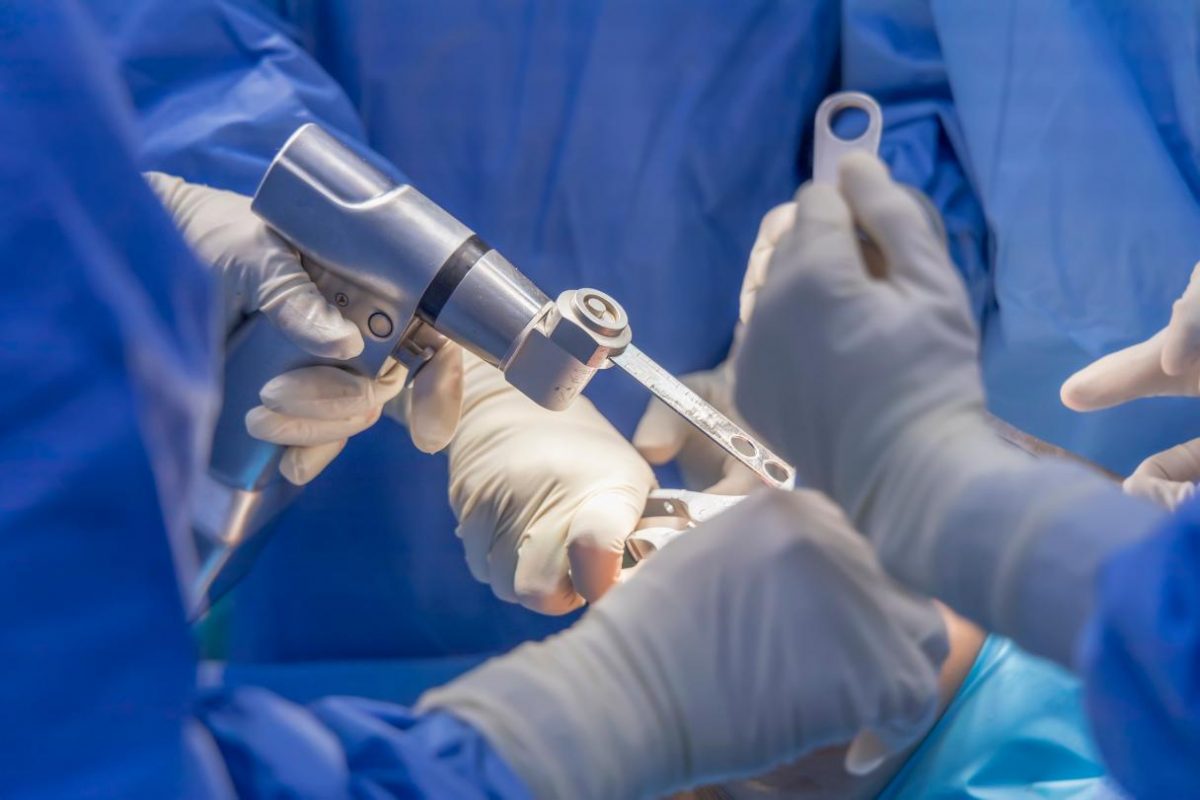
High tibial osteotomy
[caption id="attachment_3892" width="1200"]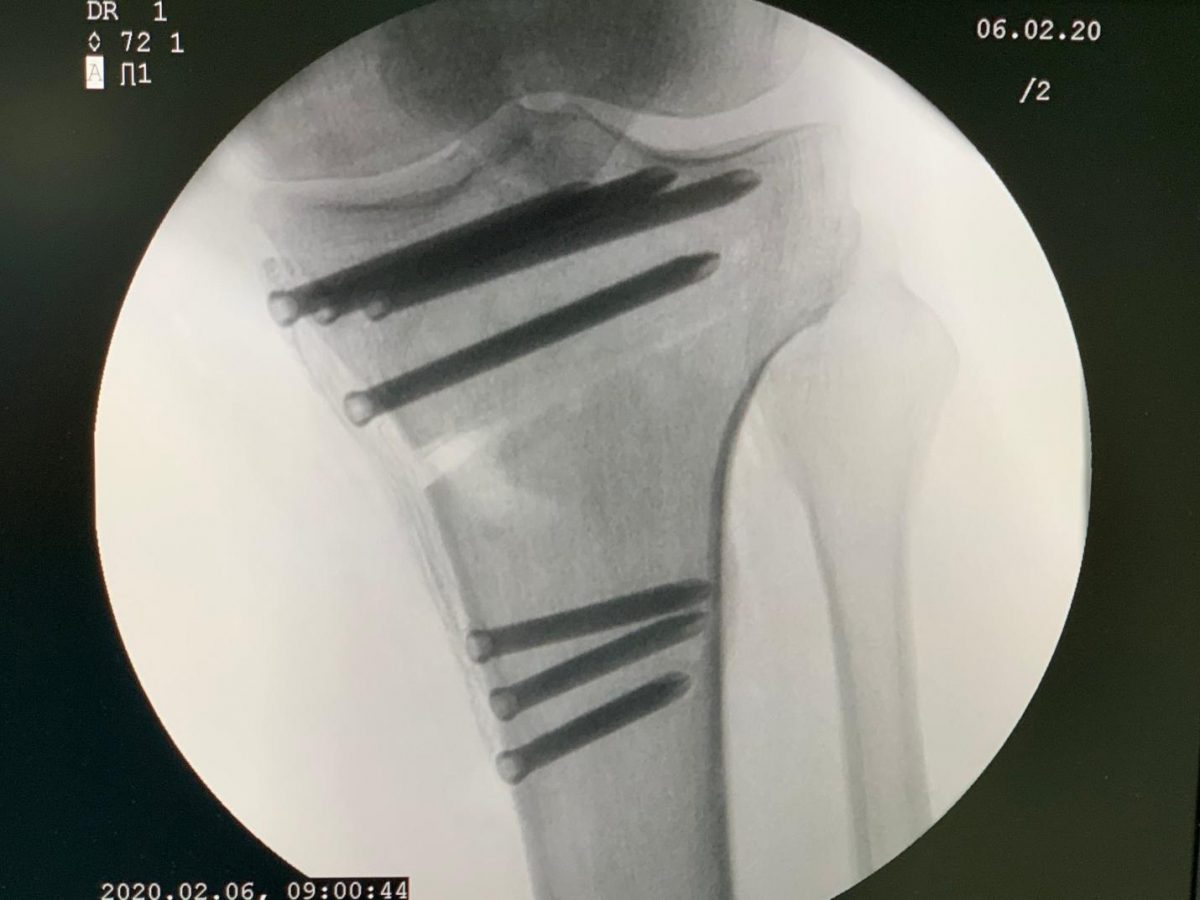 High tibial valgus osteotomy[/caption]
[caption id="attachment_3893" width="1024"]
High tibial valgus osteotomy[/caption]
[caption id="attachment_3893" width="1024"]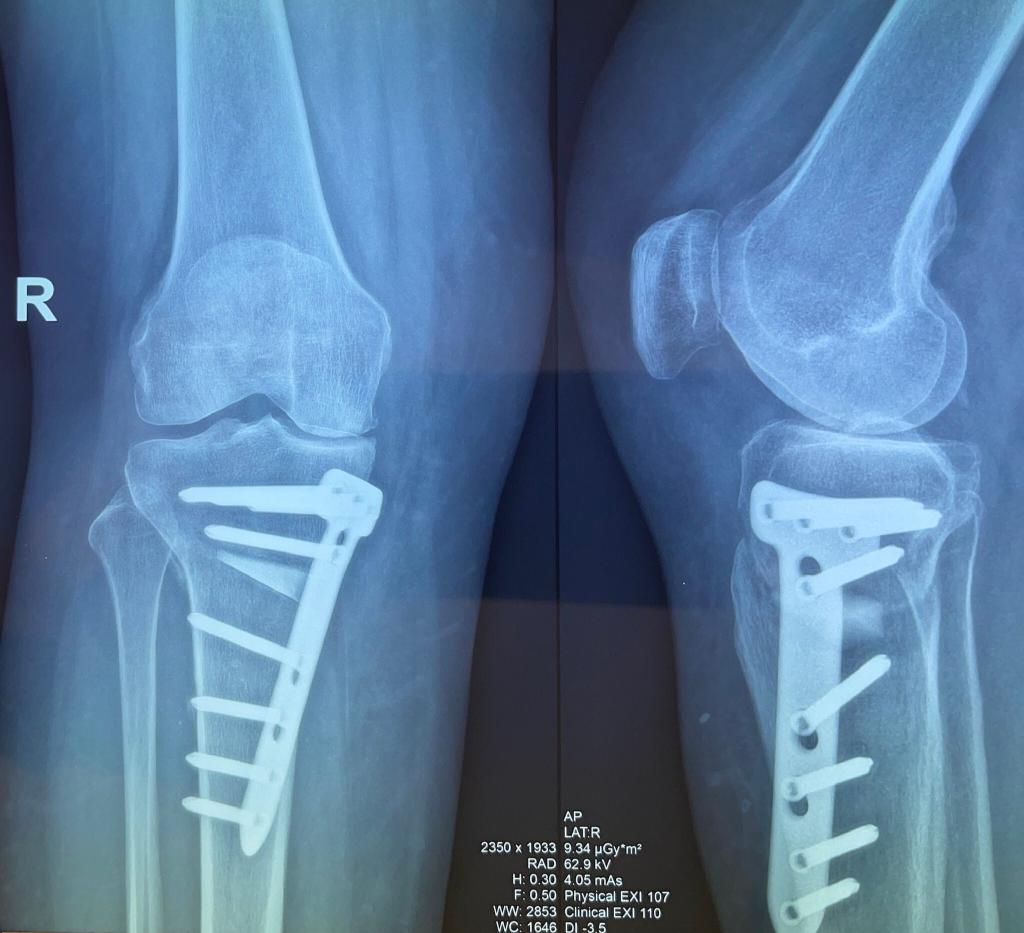 Supratuberosity tibial valgus osteotomy[/caption]
High tibial osteotomy is a procedure in which a horizontal cut is made in the upper part of the tibia. It is usually used to correct deformity or varus alignment. By adjusting the angle of the tibia, pressure is redistributed across the compartments of the knee joint, improving symptoms and delaying the progression of osteoarthritis.
Supratuberosity tibial valgus osteotomy[/caption]
High tibial osteotomy is a procedure in which a horizontal cut is made in the upper part of the tibia. It is usually used to correct deformity or varus alignment. By adjusting the angle of the tibia, pressure is redistributed across the compartments of the knee joint, improving symptoms and delaying the progression of osteoarthritis.
Femoral osteotomy
Supracondylar femoral varus osteotomy
[caption id="attachment_3894" width="1200"]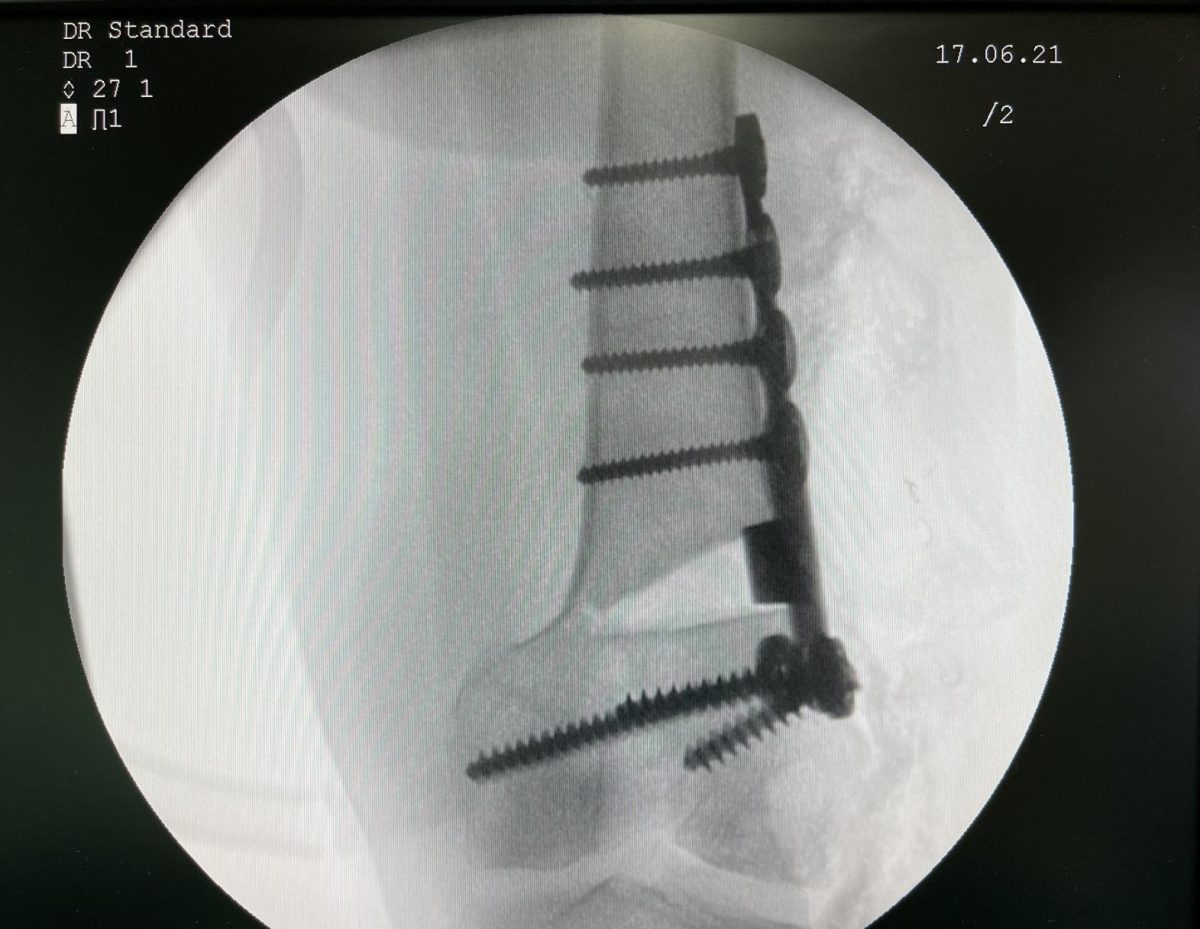 Opening-wedge supracondylar femoral osteotomy[/caption]
This operation involves an oblique cut in the femur close to the knee joint. The procedure is used to correct the alignment of the femur and to redistribute pressure across the compartments of the joint, and in certain cases of patellar instability.
Opening-wedge supracondylar femoral osteotomy[/caption]
This operation involves an oblique cut in the femur close to the knee joint. The procedure is used to correct the alignment of the femur and to redistribute pressure across the compartments of the joint, and in certain cases of patellar instability.
Anterior tibial tubercle osteotomy (ATT)
[caption id="attachment_3895" width="889"]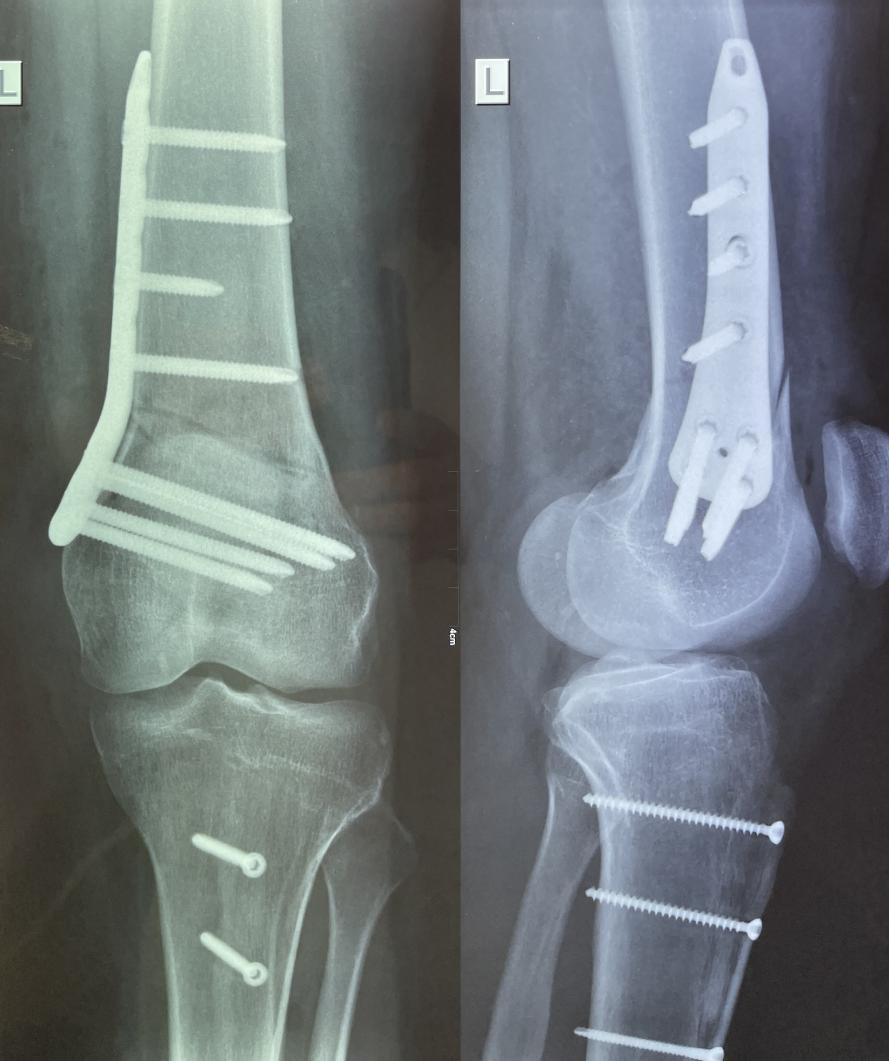 Closing-wedge left supracondylar femoral varus osteotomy and medialising left anterior tibial tubercle osteotomy[/caption]
Anterior tibial tubercle osteotomy is an operation used mainly to treat patellar instability. It involves cutting and reorienting the anterior tibial tubercle, the attachment point of the patellar tendon. This type of procedure changes the angle of pull of the patellar tendon, helping to stabilise the kneecap and allow it to track correctly.
Closing-wedge left supracondylar femoral varus osteotomy and medialising left anterior tibial tubercle osteotomy[/caption]
Anterior tibial tubercle osteotomy is an operation used mainly to treat patellar instability. It involves cutting and reorienting the anterior tibial tubercle, the attachment point of the patellar tendon. This type of procedure changes the angle of pull of the patellar tendon, helping to stabilise the kneecap and allow it to track correctly.
How is an osteotomy performed?
There are different techniques for performing an osteotomy, and two of the most common are the opening wedge and the closing wedge. These techniques involve making a cut in the bone, followed by adjusting and fixing it in a new position.Opening-wedge osteotomy
In this type of operation, an oblique cut is made close to the area that needs correcting or realigning. Once the cut has been made, the wedge is opened and separated, allowing access to and visualisation of the underlying bone. The surgeon then adjusts the position of the bone according to the correction or alignment required. After adjustment, the bone is fixed in its new position using plates and screws, or other fixation devices, which allow it to heal in the set position.Closing-wedge osteotomy
In this type of procedure, a cut is made similar to that in an opening-wedge osteotomy. Once the cut has been made, the wedge is closed and brought together to realign the bone in the new desired position. The surgeon can use various methods to secure the closed wedge in its new position, such as plates and screws or special fixation devices. The bone will begin to heal in its new position, with the closing wedge providing the initial stabilisation.What does the osteotomy procedure involve?
The procedure can vary according to the patient's condition and individual needs, but in general it involves the following steps.Before the operation
Medical assessment The patient undergoes a full medical assessment to determine whether they are a suitable candidate for osteotomy. This may include an assessment of general health, along with investigations and specific tests to establish the extent of damage to the knee. Discussion and preparation The patient will discuss the details of the procedure with the orthopaedic surgeon, along with its risks and benefits. Expectations of the operation will be set and specific instructions provided for preparing beforehand.After the operation
Recovery in hospital After the osteotomy, the patient will be monitored for a period that can vary according to the complexity of the procedure and their individual recovery time. As a rule, the patient will stay in hospital for 1 to a maximum of 2 nights. Pain management Medication will be given to control pain, to ensure the patient is comfortable during the postoperative period. Physiotherapy and rehabilitation The patient will follow a programme of physiotherapy and rehabilitation, which begins in hospital and continues after discharge. This plan may include mobility exercises, manual therapy, the use of assistive devices and other techniques to aid recovery and restore function to the knee.Possible complications
Like any operation, osteotomy can involve certain risks and complications, which can vary from patient to patient. Some possible complications include:- Infection: there is a risk of infection at the operation site. Antibiotic treatment may be needed to prevent or treat it;
- Excessive bleeding: the procedure can involve a degree of blood loss and, in rare cases, a blood transfusion may be necessary;
- Wound healing problems: postoperative wounds can have difficulty healing or can develop excessive scarring, more often in smokers;
- Problems with anaesthesia: there are risks associated with the general or regional anaesthesia used during an osteotomy;
- Complications specific to the condition: in some cases, complications specific to the knee problem that required the osteotomy can arise, such as a recurrence of symptoms or progression of the condition;
- Problems relating to the fixation devices: if plates and screws are used to fix the bone in its new position, complications relating to these devices can arise, such as infection or local irritation;
- Deep vein thrombosis and pulmonary embolism: in the postoperative period, patients may be at increased risk of blood clots forming in the legs (deep vein thrombosis) or of these clots travelling to the lungs (pulmonary embolism). Preventive measures, such as anticoagulants and early mobilisation, are taken to minimise the risks;
- Stiffness or restricted movement of the knee: in some cases, stiffness or restricted knee movement can be experienced following the procedure. This may require an intensive programme of rehabilitation and exercise to restore the full range of movement.
Recovery after osteotomy surgery
Recovery after an operation of this kind is an important process and requires appropriate care to ensure an optimal outcome. Its duration and details can vary according to the type of osteotomy and the patient's specific condition. Here are some key aspects of recovery after such an operation:- The hospital stay: the patient will spend a period in hospital, of 1–2 days, to be monitored after the procedure. The medical team will follow the progress of the incision, pain control and any potential complications;
- Pain management: giving medication to control pain is essential in the postoperative period. The doctor will prescribe appropriate treatment to ensure the patient is comfortable;
- Early mobilisation: although initial movement may be limited, it is important to begin mobilising shortly after the operation. The physiotherapist will guide the patient and teach them exercises and techniques for gradually regaining mobility in the knee and improving muscle strength;
- Physiotherapy and rehabilitation: a programme of physiotherapy and rehabilitation is essential to a proper recovery after osteotomy. It will involve specific exercises, manual therapy and other techniques to improve flexibility, strength and stability;
- Using assistive devices: to support the knee during recovery, the doctor may recommend braces or assistive devices such as a walking frame or crutches. These help redistribute weight and reduce stress while walking;
- Following the postoperative instructions: the patient must follow the postoperative instructions given by the orthopaedic surgeon precisely. These may include changing dressings, taking medication, maintaining proper hygiene and avoiding intense physical activity or heavy loads;
- The follow-up schedule: the patient will be booked in for regular appointments with the orthopaedic surgeon to monitor the progress of their recovery and to make any adjustments to the treatment plan.
How to help the healing process, and what the results are
There are several ways in which you can help the healing process after osteotomy surgery and achieve optimal results. They are as follows:- Follow your doctor's instructions: follow the instructions and recommendations of your orthopaedic surgeon precisely. These may include taking medication, changing dressings, avoiding certain activities or using assistive devices such as crutches;
- Physiotherapy and rehabilitation: attend your physiotherapy and rehabilitation sessions regularly. The physiotherapist will devise a personalised programme to restore the mobility, strength and function of your knee. Carrying out the recommended exercises and techniques will help speed up the healing process and achieve the results you want;
- Maintain a healthy diet: a balanced diet rich in essential nutrients can contribute to the healing process and strengthen the immune system. Make sure you include foods rich in protein, vitamins and minerals to support effective tissue healing;
- Avoid smoking and excessive alcohol consumption: smoking and drinking heavily can slow the healing process. Tobacco use can affect blood circulation and the body's capacity to heal;
- Respect the rest period and avoid overloading the knee: allow your knee to rest and heal. Avoid intense physical activities or those involving heavy impact on it. Respecting the recommended rest period will contribute to a complete recovery and help avoid complications.
- Relief of pain and a reduction in the symptoms associated with the condition in question;
- Improved function and mobility of the knee;
- Correction or realignment of bone deformities;
- A return to normal daily and sporting activities, with a better quality of life.

Este necesar un control anual dupa operatia de osteotomie?
Bună ziua! Controlul postoperator după osteotomie este obligatoriu la 1 an de zile, cu radiografie. Vă mulțumesc!
Am făcut acum 3 săp.op.nu îl pot îndoi decăt 10-15 gr.și simt o pocnitură în genunche.
Bună ziua! Ar trebui să va adresați unui centru de recuperare medicală ca sa vă ajute cu exerciții pentru o mobilitate mai bună. Vă mulțumesc! Multă sănătate!