
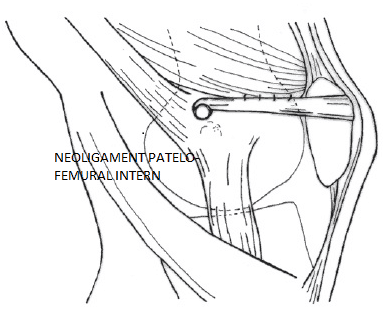
Patellofemoral instability refers to the tendency of the kneecap to shift laterally out of the femoral trochlea, causing episodes of subluxation or dislocation. The condition is common in adolescents and young athletes and can progress to chondral injury and patellofemoral arthritis if left untreated.
Written and medically reviewed by Dr. Ion Bogdan Codorean, senior orthopaedics-traumatology physician. Updated: August 15, 2026.
Patellar instability arises against a background of predisposing anatomical factors: a dysplastic femoral trochlea, an increased Q angle, a high-riding kneecap (patella alta), ligamentous hyperlaxity or muscle imbalance. A first traumatic dislocation can damage the medial patellofemoral ligament (MPFL), setting the stage for recurrent dislocations.
Patients describe a sensation of instability when walking or during sport, pain at the front of the knee, crepitus and swelling after dislocation episodes. The patellar apprehension test is positive — the patient feels apprehension when the kneecap is pushed laterally. MRI and CT assess the morphology of the trochlea and the alignment of the extensor mechanism.
A first dislocation is generally treated conservatively: immobilisation for 3–6 weeks, followed by physiotherapy to strengthen the vastus medialis obliquus. Recurrent dislocations or persistent instability require surgical reconstruction of the MPFL, arthroscopically or through a mini-open approach, with or without bony correction (tibial tubercle transfer, trochleoplasty). Dr Codorean tailors the procedure to the anatomical abnormalities identified in each patient.
Return to normal daily activities occurs 6–8 weeks after surgery. Return to sport is progressive, at 4–6 months, once muscle strength and joint stability have been restored.
Dr. Codorean offers a precise diagnosis and a personalised treatment plan.