
Knee · Shoulder · Tendinopathies & Other Conditions
Select a category to filter the conditions you’re interested in.
A meniscus tear is one of the most common knee injuries. It can happen to anyone, but it particularly affects people who play sport regularly and older adult...
A tear of the knee's anterior cruciate ligament (ACL) is a common injury in people who play sport, and it can be treated in several ways.
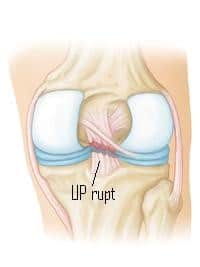
A posterior cruciate ligament tear is a relatively rare knee condition that results from a high-energy injury. Common causes of a posterior cruciate ligament...
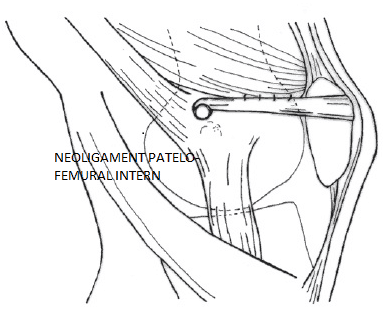
Patellofemoral instability refers to the tendency of the kneecap to shift laterally out of the femoral trochlea, causing episodes of subluxation or dislocati...
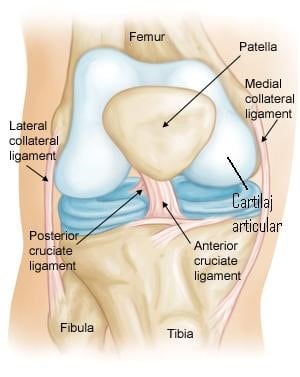
An articular cartilage defect is a common and serious condition of the knee and, as the name suggests, represents damage to the cartilage of the joint. It ca...
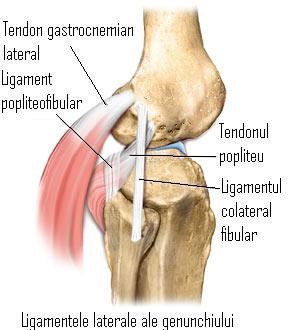
The posterolateral corner of the knee was neglected for a long time. Recent research has yielded valuable insights into this complicated region. Even though...
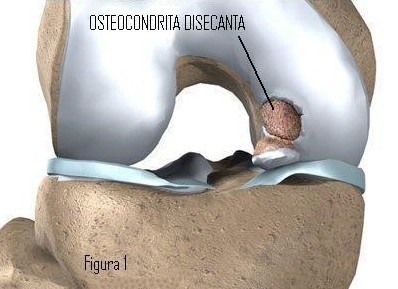
Osteochondritis dissecans is the fragmentation of cartilage and the separation of subchondral bone from a joint surface. It can occur in the knee, but also i...
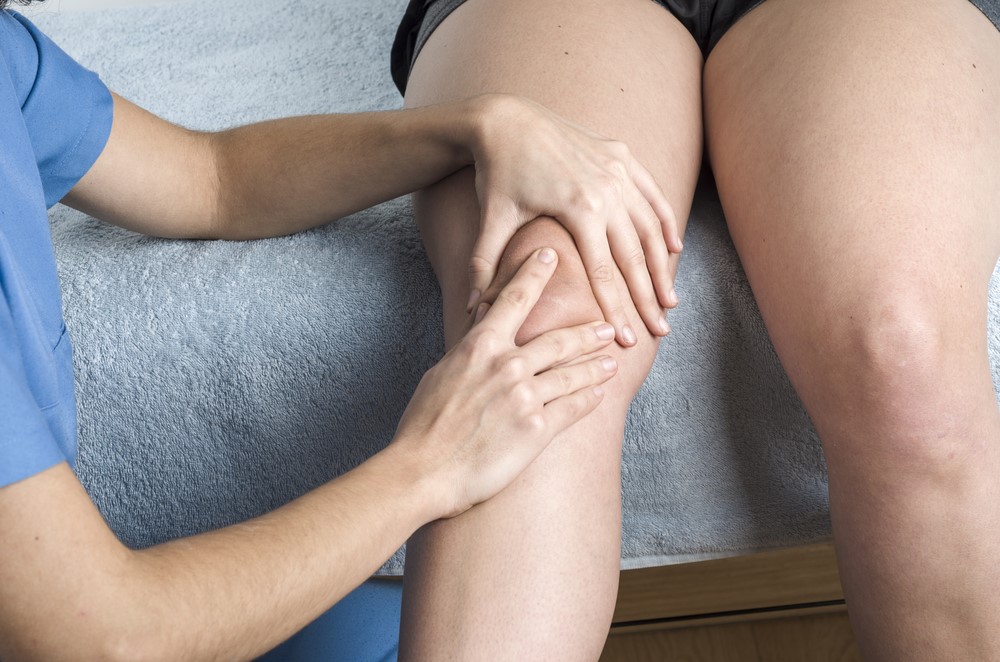
The patella, or kneecap, is a short, flattened sesamoid bone which, together with the tibia and the femur, forms the knee joint. The patella covers the knee,...
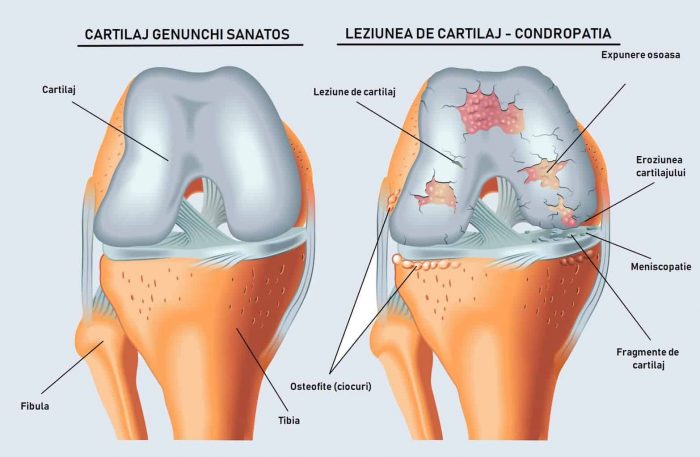
Cartilage covers the bone ends inside a joint. Articular cartilage absorbs shock and ensures minimal friction within the joint. Cartilage injuries are common...
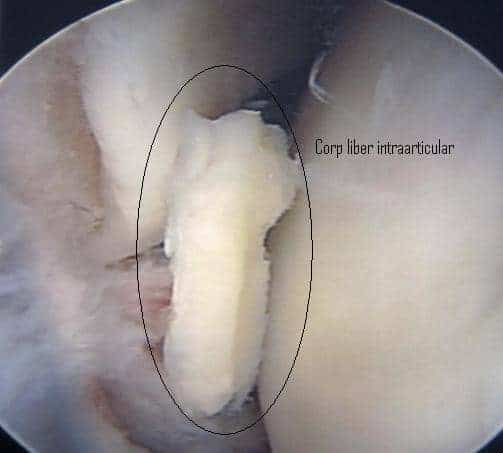
Autor : Dr. Ion Bogdan Codorean Corpii liberi intraarticulari au fost gasiti in orice articulatie din corp, dar cel mai frecvent la nivelul genunchiului. De...
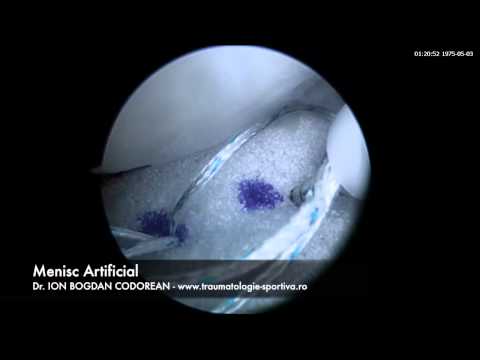
An ACTIFIT artificial meniscus is a honeycomb-like structure that allows blood to flow through it and provides an anchor for a new, growing layer of cells. T...

Knee osteoarthritis — or gonarthrosis — is degeneration of the knee joint, which usually becomes clinically apparent in older patients (generally over 60). G...
Arthroscopy is the gold standard in modern orthopaedic treatment — minimally invasive, precise and effective.
5–10 mm incisions versus traditional open surgery. Less tissue trauma, reduced postoperative pain and minimal scarring.
Return to daily activities in days or weeks rather than months. Athletes can return to the field following personalized recovery protocols.
HD visualization inside the joint. Diagnosis and treatment are performed simultaneously, with far greater accuracy than classic methods.